Customs Clearance in Germany: New Ways for International Trade
Berlin/Hamburg. – Europe's logistics landscape is shaped not only by container terminals and transport corridors but to a decisive extent by administrative interfaces – first and foremost the customs-side handling of imports and exports. While digitalisation and efficiency gains in the transport industry are making visible progress, customs clearance remains one of the most complex stages in international goods traffic. A German freight forwarding company is now taking a step further and is investing specifically in specialised customs structures to make the transition to and from Germany more plannable and transparent for its customers.
The flow of goods through German sea and airports is subject to a tight network of regulations, control mechanisms, and approval procedures. For many foreign companies – particularly from Eastern Europe, the Caucasus, or Central Asia – clearance in Germany represents a hurdle that can hardly be overcome without local know-how. On the German side too, specific requirements – for example in the area of dual-use or product safety – increasingly lead to higher coordination needs. Faulty declarations, unclear certificates of origin, or technical misunderstandings cost time – and therefore money.
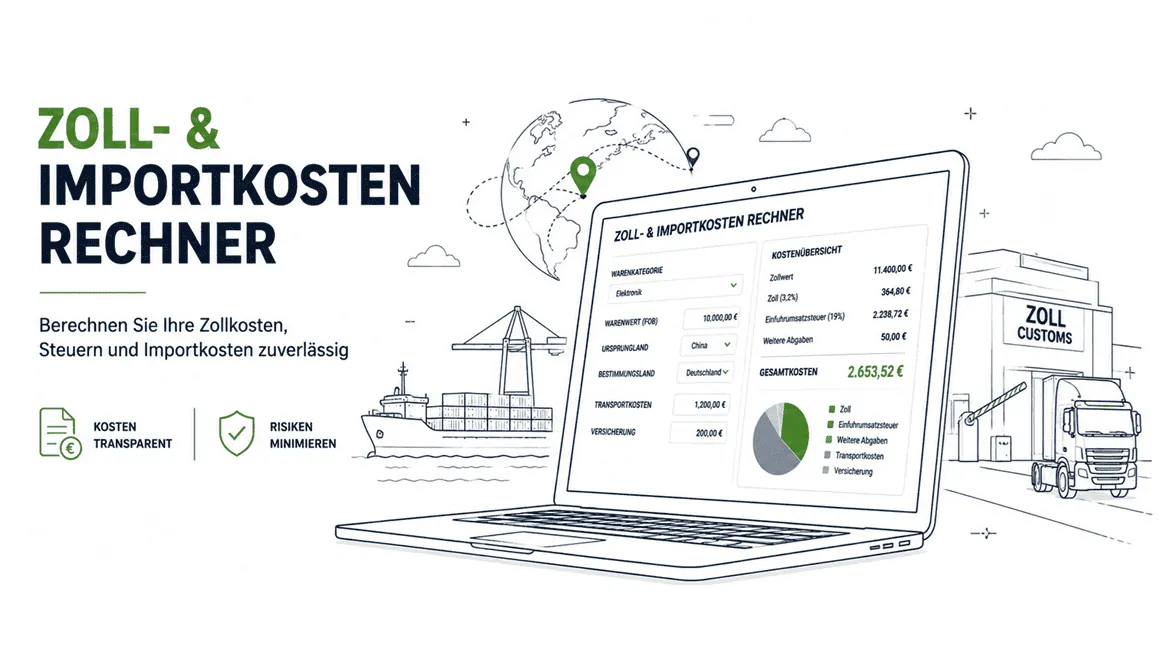
This is precisely where the company's new strategy comes in: in its own customs offices at strategically chosen locations including Hamburg, Frankfurt, and Munich, import and export clearances are not only handled but proactively prepared. The aim is to avoid delays, guarantee legal compliance, and make communication between exporter, importer, and customs authorities efficient. Customer training, direct interfaces with ATLAS, and continuous multilingual support are part of the standard offering.
In the export area in particular, the advantage of active customs management becomes apparent. Companies delivering from Germany benefit from advice on preferential proofs, certificates of origin, and simplified procedures – not least to benefit from reduced import duties in third countries. But the import side is also increasingly becoming a challenge: new sanctions packages, pandemic-related backlogs in risk assessment, and stronger data verification can mean that even seemingly simple goods receipts come to a halt. Professional customs handling acts here as a catalyst.
German customs administration has been relying on digitalisation for years, yet the human factor remains decisive. In many cases, not only the correctness of documents but also their legibility, structure, and completeness determine how quickly clearance takes place. For internationally active companies that do not want to establish themselves permanently in the EU, external customs representation is therefore not only helpful but essential. The freight forwarding company offers exactly this – with power of attorney, liability, and operational responsibility.
Customs clearance is rarely a headline topic – yet every day it decides whether supply chains function or come to a halt. In a world in which geopolitical shifts, new trade agreements, and regulatory complexity are increasing, the ability to intelligently manage customs processes is becoming a real competitive advantage. That a German company no longer regards this task as a mere formality but as a strategic building block is a signal – not loud, but effective.