

Textile Logistics at the Border: German Apparel Exports to Russia in Transition
Berlin/Moscow. – The transport of clothing to Russia is one of the stable but inconspicuous trade flows between Germany and its eastern neighbour. No product category is less in the focus of geopolitical debate and regulatory control – and yet it requires a high level of organisation, adaptability, and technical routine. For while volumes and fashion trends vary, one thing remains constant: the need for smooth logistical and customs-related processes.
German textiles – from everyday segments through specialised clothing to branded articles – are regularly exported to Russia via overland routes. The transport usually takes place as a part load by truck. The requirements are manageable but not trivial: protection from moisture, proper palletisation, clear packing lists, unambiguous goods declarations – everything must work before customs clearance comes into play.
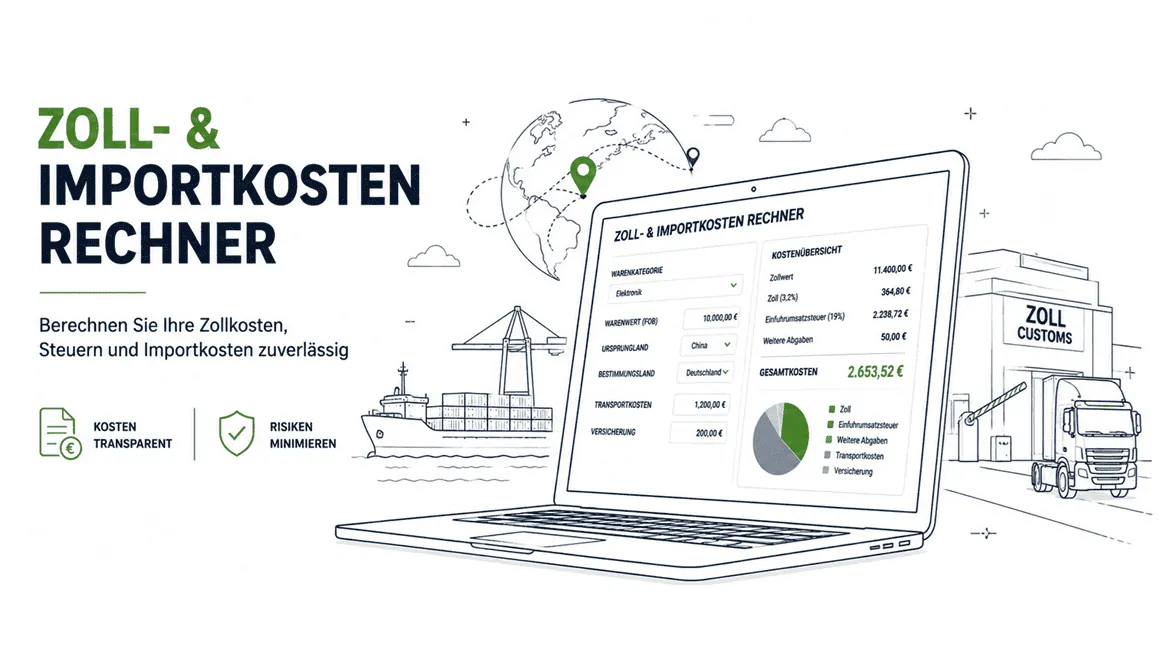
The critical point lies less on the way than at the end of it. Russian customs require a detailed classification of every garment by material, intended use, and country of production. This classification is not merely a technical procedure but the basis for the amount of duties, release times, and legal categorisation. Even small deviations in the commodity code can lead to retention or delay.
Against this background, service providers are gaining importance that do not just transport but actively shape the process on the customs side – with knowledge of local requirements and the ability to respond quickly to enquiries from the authorities. The customs handling on the Russian side is an integral part of this structure: it includes verification of import documents, calculation of import duties, declaration at the responsible customs office, and – if necessary – submission of additional evidence.
Clothing logistics differs from other product groups in that on the one hand it involves high volumes with low piece weights, and on the other complex assortments with varying customs codes. At the same time, the market moves in short cycles – delivery deadlines are based on seasons, collections, and factory release dates. Anyone who risks delays here loses not only time but possibly entire sales windows.
Russia remains a market with potential for German fashion exporters – limited by political uncertainties but carried by continuing demand in the upper retail sector and the urban apparel segment. Imported clothing primarily serves the middle to upper market segment. That these goods reliably find their way is no automatic success but the result of well-established logistical systems that operate between legal precision and physical discipline.
The transport of clothing to Russia is therefore neither spectacular nor trivial. It does not require technological innovation but organisational maturity. That German providers operate successfully here is due less to competitive advantages than to the ability to adapt to a complex administrative and logistical landscape – quietly, consistently, and without interruptions.