
The 10 Most Common Questions About International Freight Forwarding – Simply Explained
At first glance, international transports appear complex. Different countries, customs regulations, documents, and transport routes quickly create uncertainty. At the same time, cross-border supply chains are a matter of course for many companies today.
Here we answer the ten most common questions about international freight forwarding – compactly, understandably, and from practical experience.
1. What is an international freight forwarder?
An international freight forwarder organises and coordinates the transport of goods across national borders. This includes selecting suitable transport modes, planning the route, preparing transport documents, and aligning with customs authorities and partners at home and abroad.
The freight forwarder acts as an interface between shipper, consignee, carrier, and authorities.
2. Which transport modes are used in international goods traffic?
International transport mainly uses four modes: road, sea, air, and rail.
Road transports are particularly suitable for flexible and regional connections. Sea freight is economical for large volumes. Air freight offers short transit times at a higher price level. Rail transports are gaining importance for long distances. Several transport modes are often combined.
3. How are the costs of international transports composed?
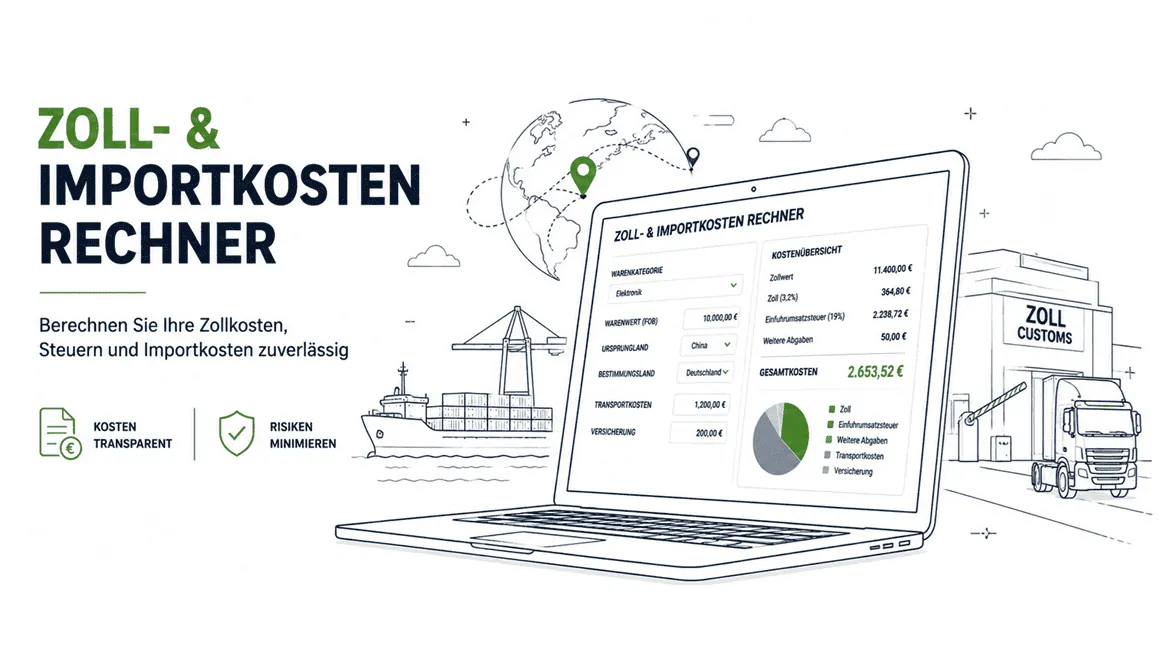
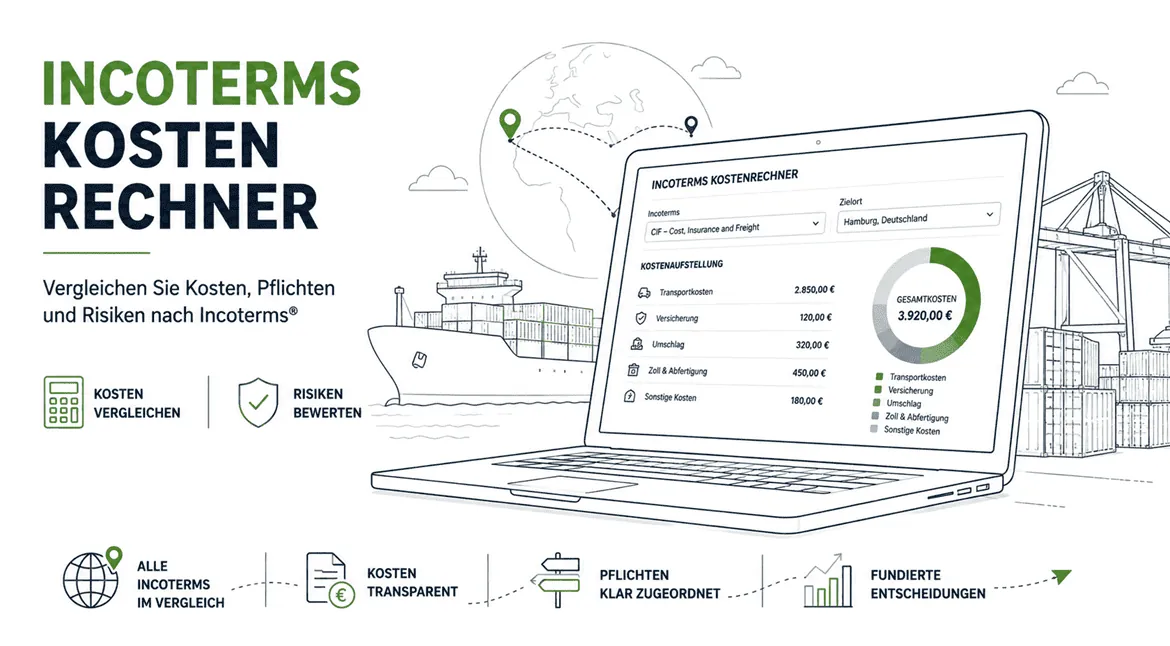
Transport costs depend on various factors. These include weight, volume, distance, transport mode, and urgency. In addition, fuel surcharges, road tolls, security fees, customs costs, and possible storage or transhipment costs play a role.
Additional services such as insurance or special packaging also influence the total price.
4. How long does an international transport take?
Delivery time varies depending on the route and transport mode.
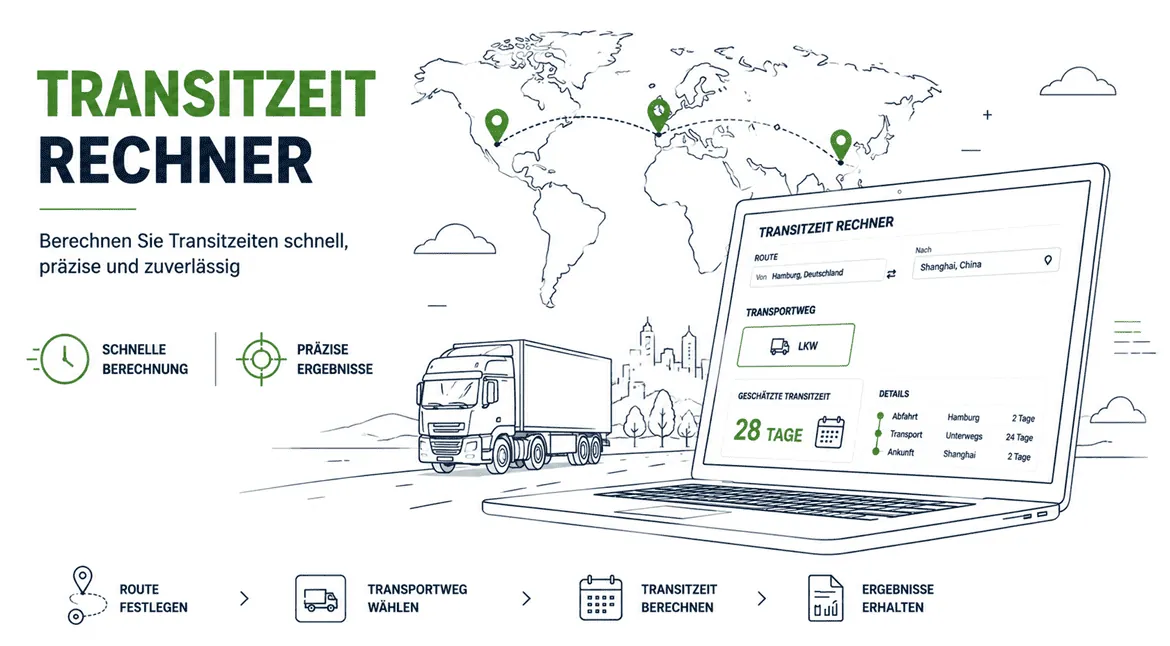
Within Europe, road transports are often possible within a few days. Sea freight can take several weeks, depending on route and port handling. Air freight is significantly faster but also requires time for customs and security checks.
Unpredictable factors such as weather, border controls, or port congestion can affect transit time.
5. Which documents are required for international shipping?
Among the most important documents are the commercial invoice, the packing list, and a corresponding freight document such as CMR, air waybill, or bill of lading.
For companies, an EORI number is required. Depending on the goods, additional documents such as certificates of origin, export declarations, or special permits may be necessary.
6. How does customs clearance work?
In customs clearance, goods are officially declared for export or import. Customs checks information such as goods value, commodity code, and country of origin.
A correct declaration is decisive to avoid delays or additional claims. Freight forwarders often take over the preparation and submission of customs declarations as well as communication with the authorities.
7. Who is liable for transport damage or loss?
Liability in international transport is regulated by law and depends on the applicable transport law, for example CMR in road transport or international air and sea freight conventions.
Statutory liability is usually limited. Therefore, additional cargo insurance is often recommended for high-value goods.
8. What does door-to-door transport mean?
With door-to-door transport, the goods are collected directly at the shipper and delivered to the consignee.
The freight forwarder coordinates all transport stages, transhipments, and, where applicable, customs clearance. For the customer this means centralised handling without multiple points of contact.
9. What role do Incoterms play in international trade?
Incoterms are internationally recognised delivery terms. They regulate who bears costs, risks, and organisational obligations in the transport process.
They define, for example, at which point the risk transfers from the seller to the buyer and who is responsible for transport or customs. A clear agreement on Incoterms prevents misunderstandings.
10. Are there restrictions for certain goods?
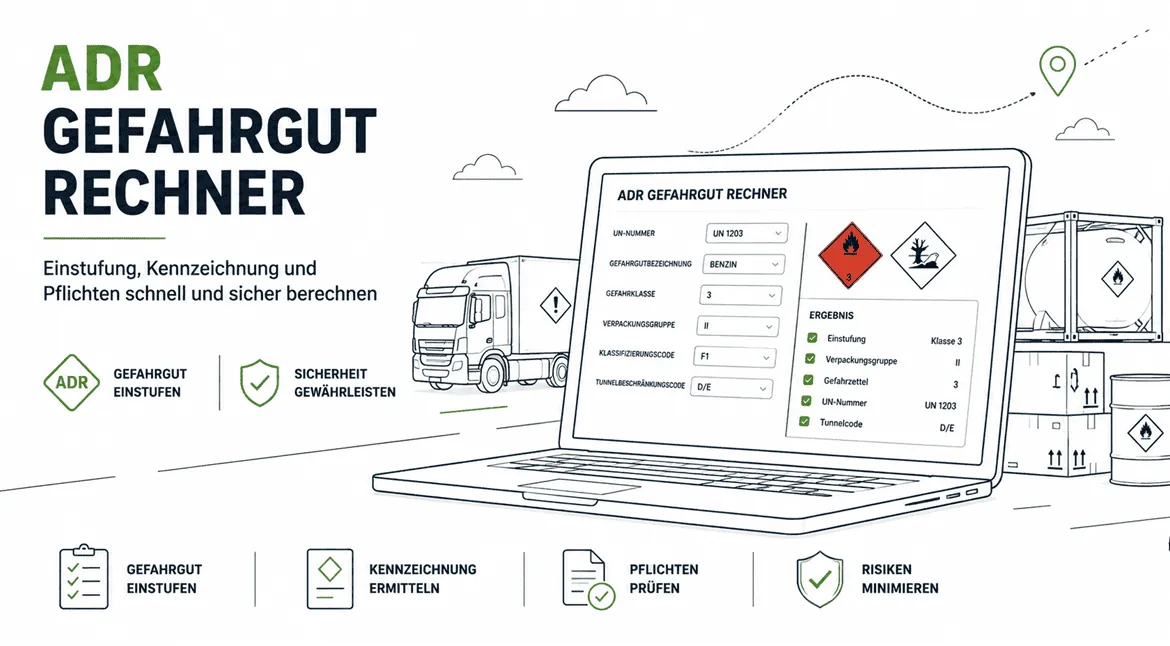
Yes. Certain goods are subject to special regulations. These include dangerous goods, sensitive technologies, sanctioned goods, or products with special import requirements.
Before shipping, you should check whether permits or additional documents are required. Expert advice helps to avoid legal risks.
Conclusion
International freight forwarding means far more than pure transport. Planning, documentation, customs clearance, and risk management play a central role.
Anyone who knows the basic workflows and works with experienced partners can shape international supply chains reliably and plannably.