
Blog
T1 Transit Procedure: Duties, Liability and Responsibility
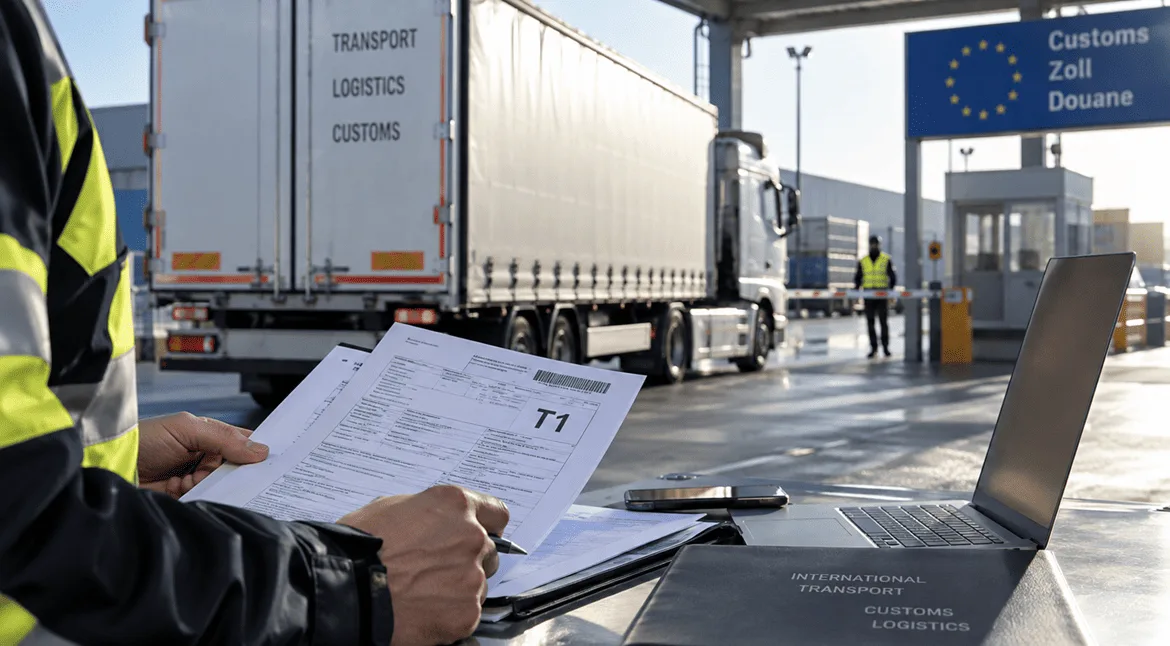
Whoever opens a T1 starts a customs procedure with real economic consequences. The guarantee remains tied up until the office of departure has recorded the movement as discharged. Unloading at the consignee is not enough. This article explains what distinguishes opening, termination and discharge, who is liable for what, and why a freight forwarder should control the entire process.
Combine Harvester Transport to Tashkent: The Long Way via the Caucasus
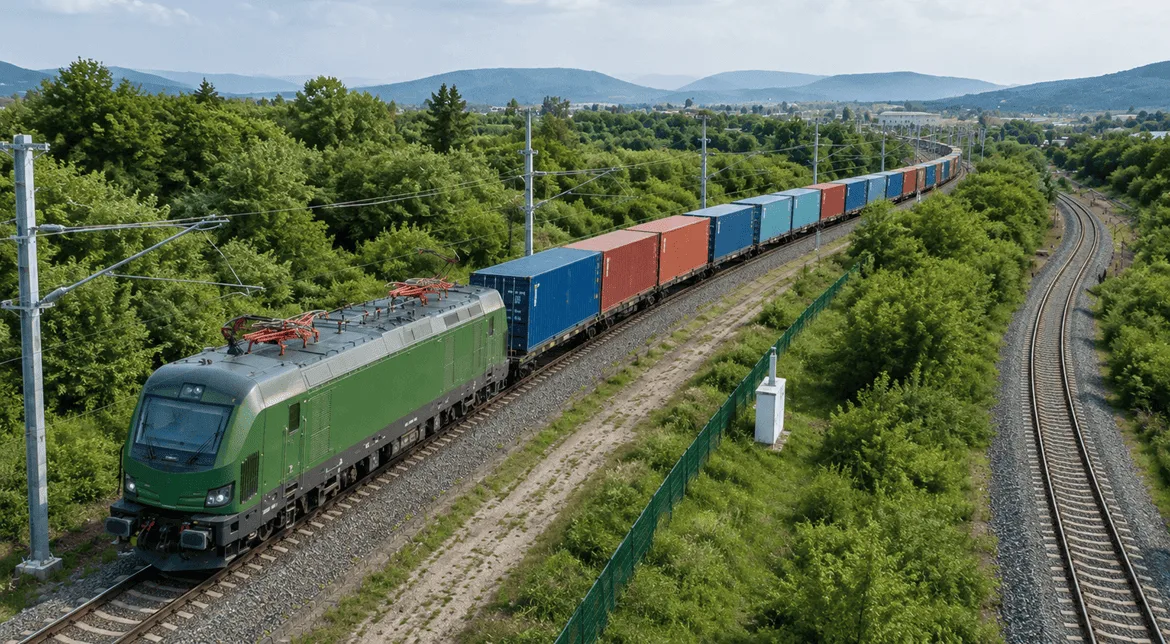
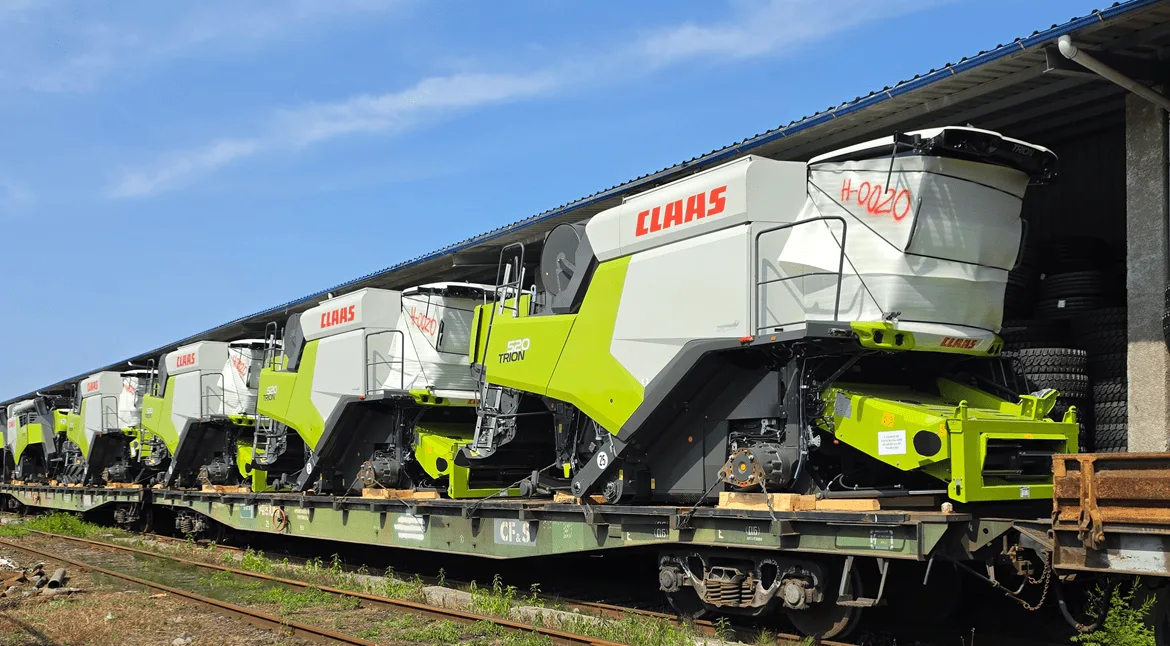
How do you get a 30-tonne agricultural machine from a German farm to Uzbekistan? Certainly not with a single truck. I show the complete route via Burgas, Batumi, Baku and Turkmenbashi, with low loader, ferry and rail, and explain quite honestly, as a freight forwarder, where these oversized transports really get tricky in practice and what actually matters in the planning.
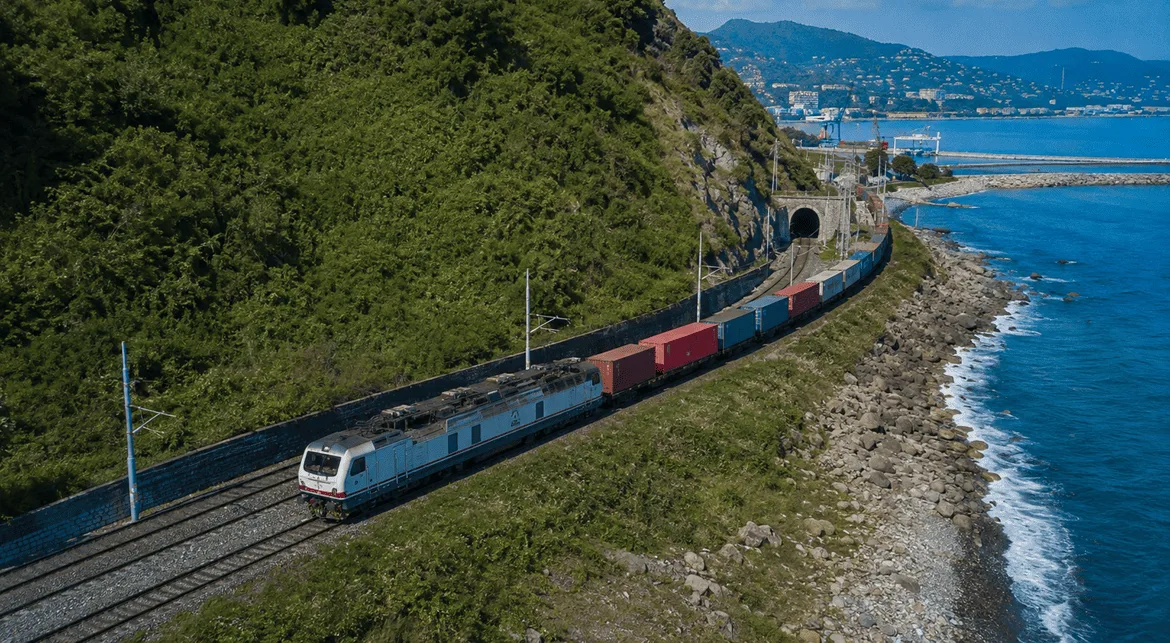
Why We Are Taking a Closer Look at the Middle Corridor Right Now
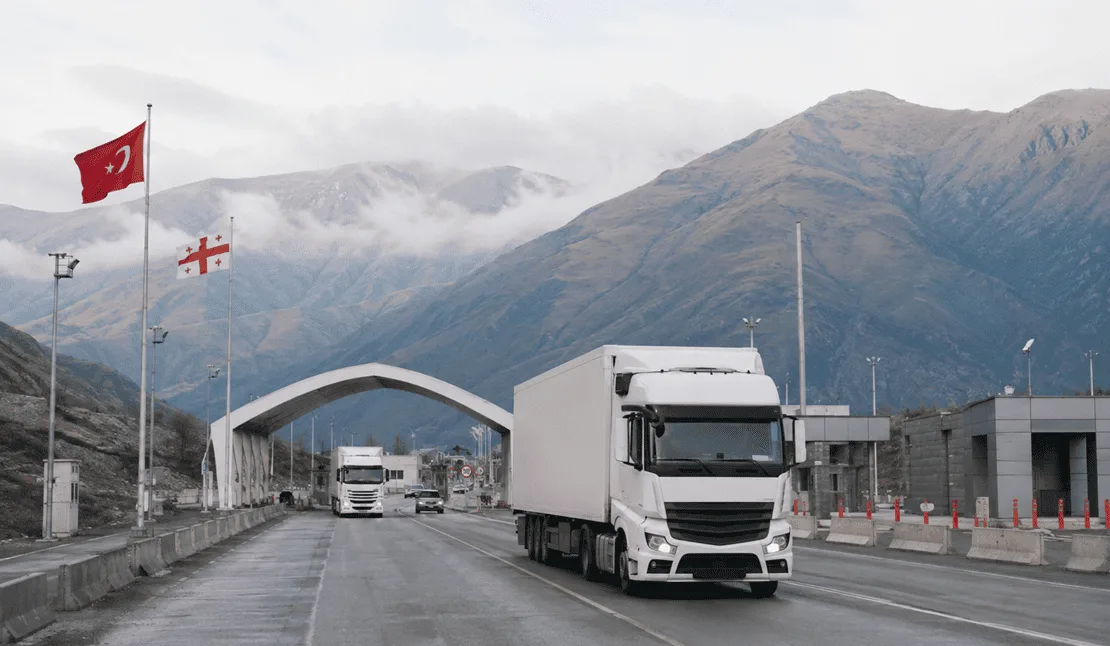
Do you know the feeling: a route that you have noticed only in passing for years suddenly comes up in every second industry conversation? That is exactly what is happening to me right now with the Middle Corridor. At the Böyük Kəsik border station the double train inspection between Azerbaijan and Georgia is now being abolished, halving the time lost at the border. As a freight forwarder I explain what this really means for our day-to-day work.
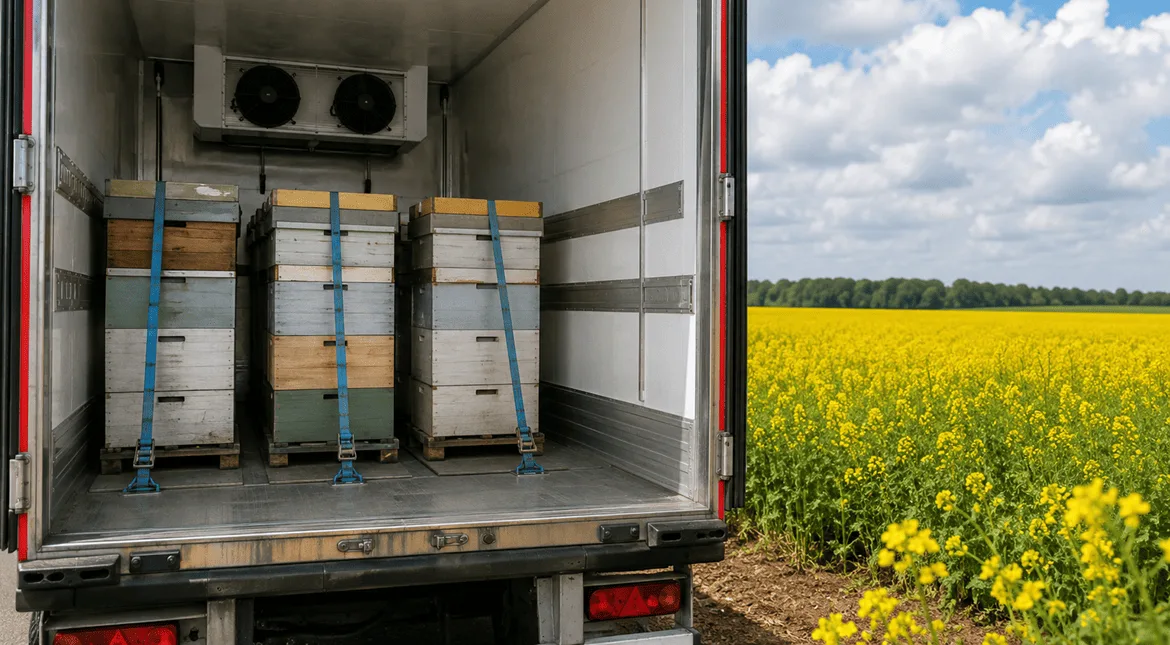
Live Cargo: When Bees Travel Across Europe in a Refrigerated Truck
Transporting live insects for pollination – no ordinary order. Bees keep their hive at 35 degrees; bumblebees become stressed from 28 degrees. Without active cooling it ends fatally. Add to that a time window of no more than three days for deliveries to third countries. Why this transport requires a double crew, seamless temperature monitoring and perfect customs preparation.
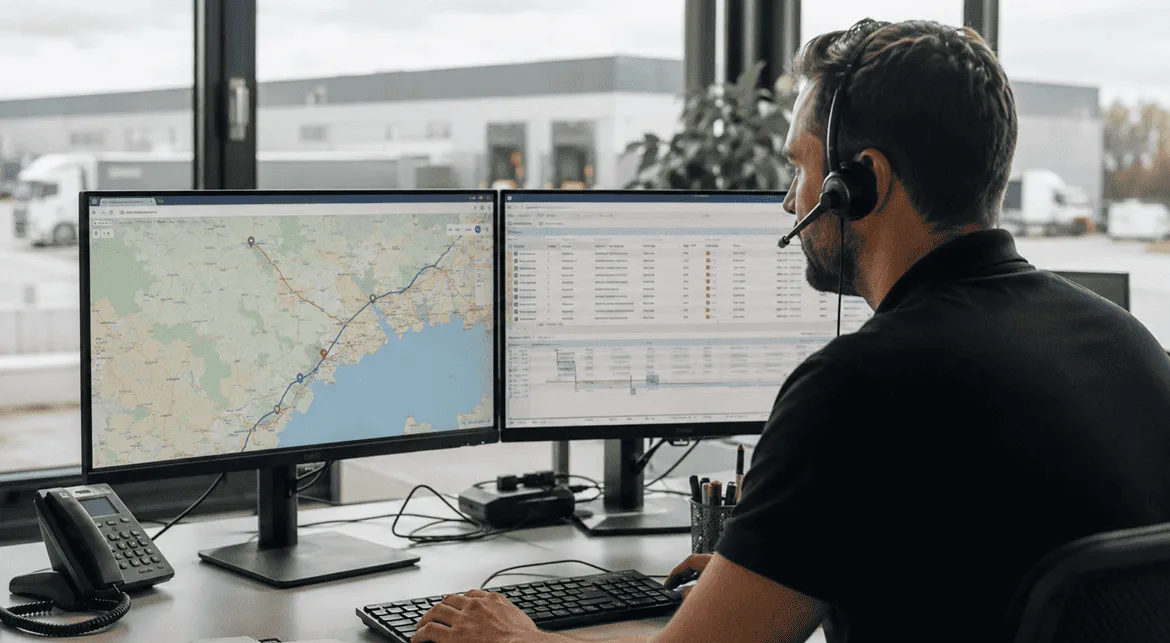
Where Is My Freight and When Will It Arrive? ETA Simply Explained
It used to be: "Somewhere in Poland, probably arriving tomorrow." Today the system names a time to the nearest quarter of an hour. GPS position every 30 seconds, traffic jams, driving times, weather – everything feeds into the arrival forecast. How real-time tracking and ETA calculation work in road transport, what they specifically deliver for recipients and shippers, and where the technology reaches its limits.
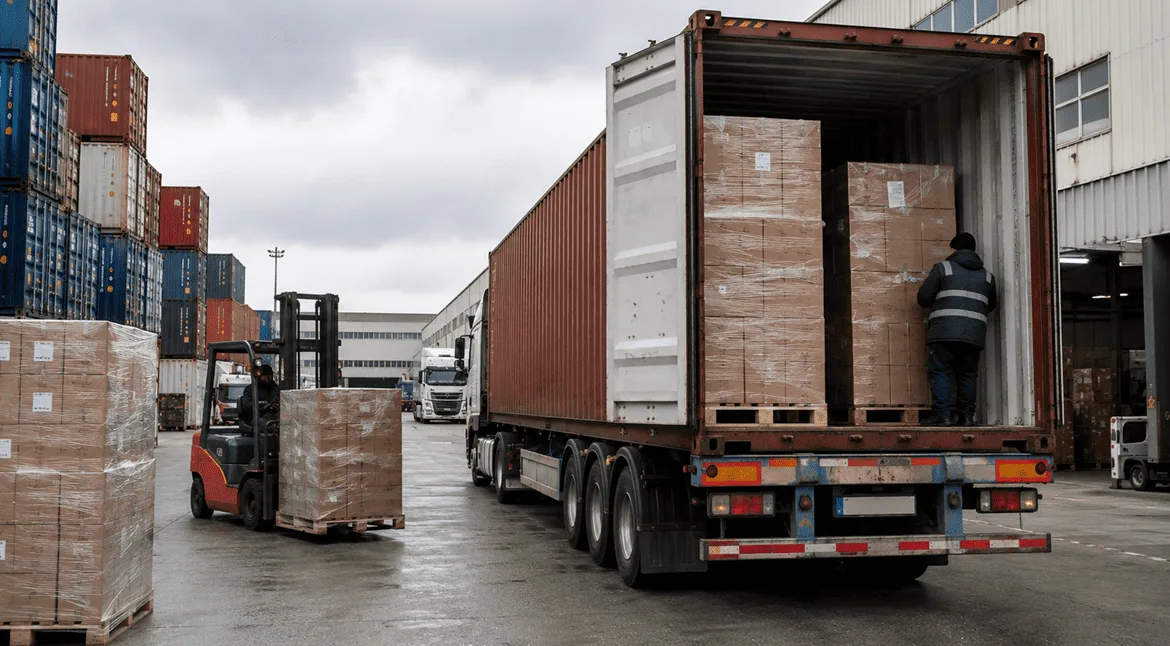
Importing from China: How Trade Goods Really Reach Germany
German retailers are importing more and more goods directly from China. But the overland transport route carries risks that many only recognise when damage occurs. This FAQ answers the key questions on transport, CMR insurance, EU sanctions on transit via Belarus, customs documents and delivery to Amazon warehouses. Concise and practical for everyone who wants to import safely.
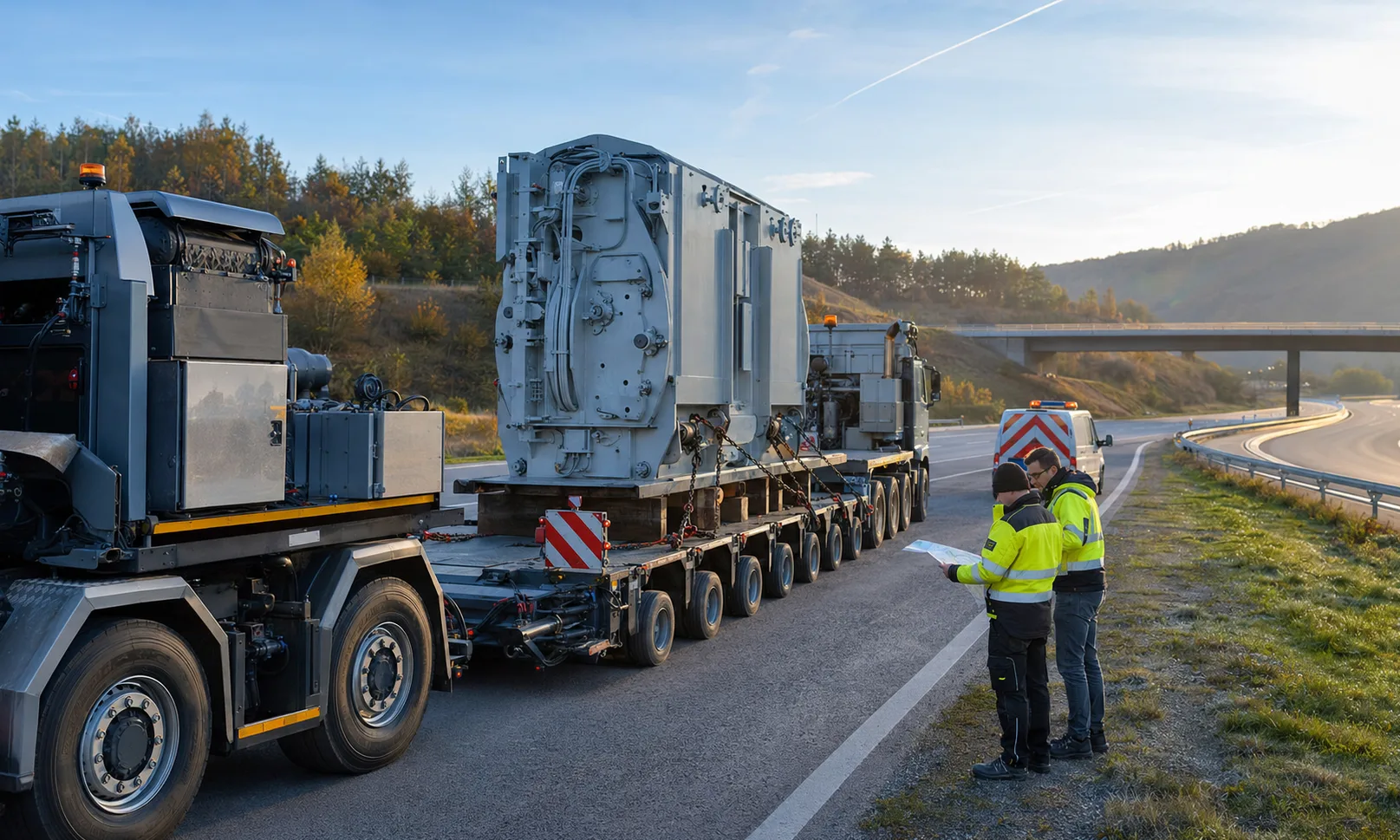
Planning International Heavy and Oversized Transports
International heavy and oversized transports need more than a large truck. Find out how precise measurement, permits, route checks, escort vehicles and properly planned loading decide whether a transport runs smoothly – and why the real work begins at the desk, not on the road.
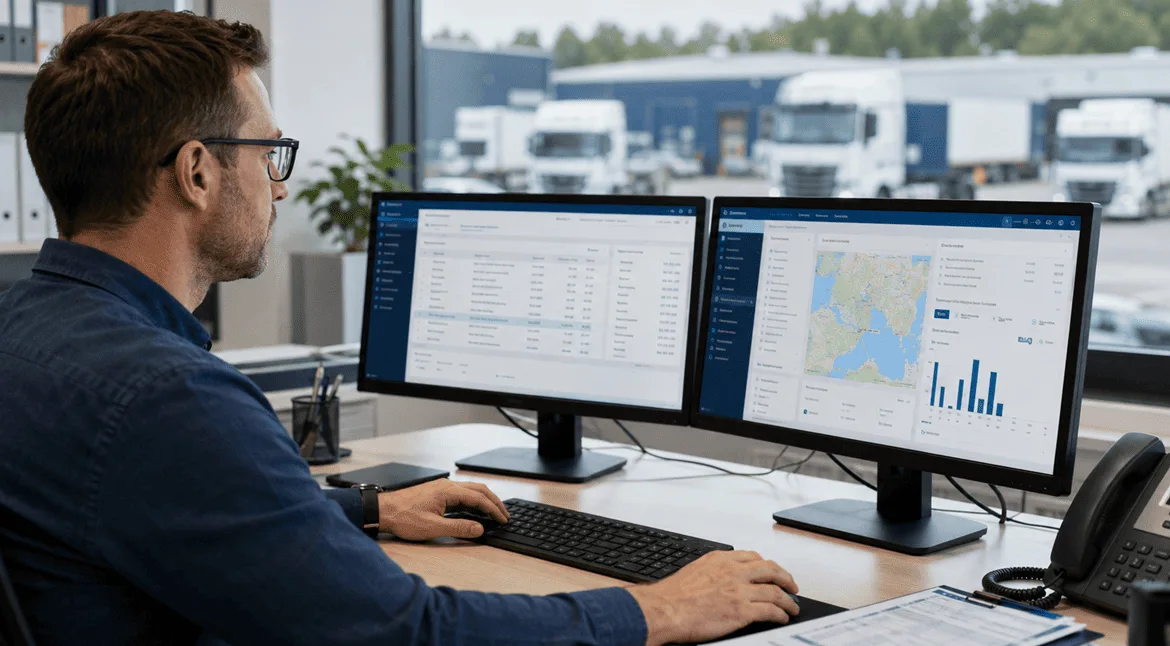
Why ERP and CRM Secure the Success of Logistics Companies
ERP and CRM are now standard equipment for successful logistics companies. The ERP controls internal processes, the CRM manages customer relationships. This article explains what each system does, what happens when they are missing and how a CRM in a forwarding business becomes more than an address database.
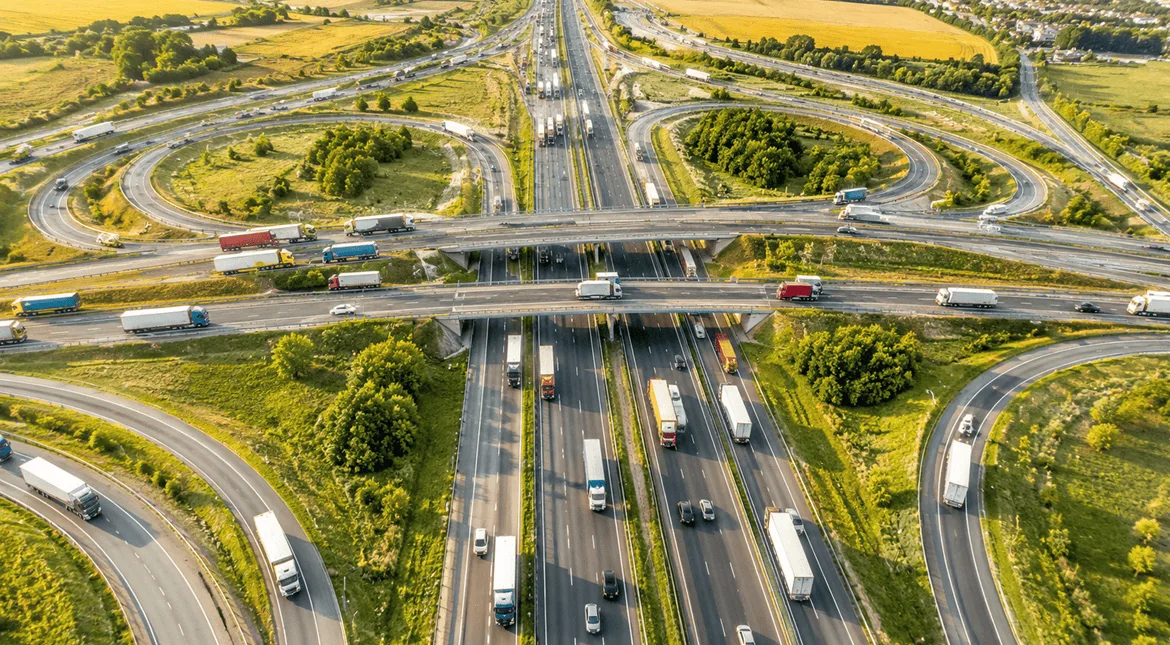
Why Do Freight Rates Fluctuate in Road Transport?
Freight rates in road transport are not a fixed price. Diesel costs, tolls, driver shortages and seasonality move rates constantly – sometimes within a few weeks. This article explains which factors actually drive rates, which of them are predictable and how clients can gain more planning certainty.
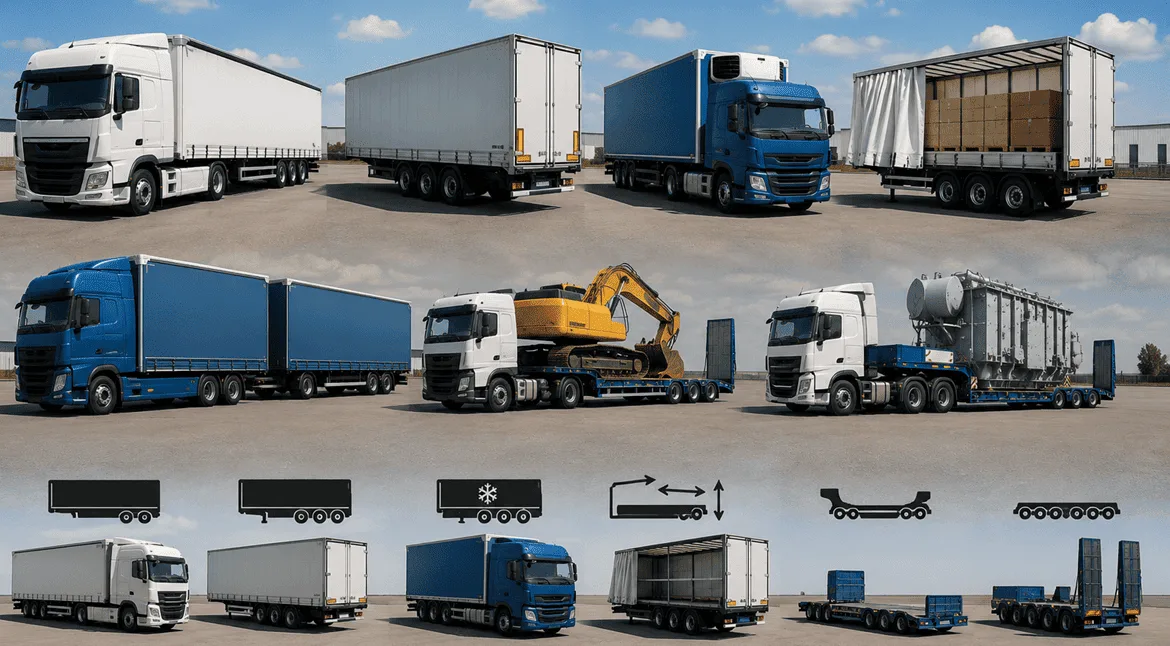
Which Truck Types Are Used in International Transport?
In everyday transport, goods differ not only in weight but also in shape, sensitivity and loading requirements. This article explains the main vehicle types in international road transport – from the curtainsider semi-trailer to the low loader – and when each of them is the right choice.
Why us? Safe & on time
Request for business customers only